Fermentation is the half of this hobby that people quit first. A sourdough starter gets all the attention, but the jar of sauerkraut on the counter is where most beginners learn what a warm spot, a loose lid, and one impatient week actually do to a batch. The gear matters more than it should. A jar with a narrow shoulder traps cabbage, a lid that breathes both ways lets oxygen in and the flavour follows, and a weight that tilts leaves a raft of solids floating above the brine. This is a guide to the best fermentation & more for beginners: the jars, lids, weights, and starter equipment that make a first ferment boring in the best possible way. Every pick below is tied to a specific listing, and the reasoning is material, size, and cleaning, not marketing copy.
Quick answer
The 32 oz Mason Jar Fermentation Kit 4 Pack (Jar Included) is the strongest fit for a first vegetable ferment because it arrives as one matched system: four 32 oz jars with glass weights, airlock lids, silicone gaskets, and grommets, so nothing has to be sized against anything else. Choose the Sourdough Starter Kit with Banneton Bread Proofing Basket Set instead when the beginner is not fermenting cabbage at all but trying to get a starter and a first loaf going.
Fermentation & more for beginners: what is worth comparing
Beginner fermentation fails in three places, and only one of them is the recipe. The first is headspace: a wide mouth jar gives you room to pack cabbage under the brine and room to get a hand in later to lift the weight out. The second is gas, because a one way airlock lets carbon dioxide escape without letting air back in, which is the entire job of an airlock lid. The third is weight, since anything floating above the brine is where mould starts. The six products below cover those three problems in different combinations, from a bare set of lids you screw onto jars you already own to a complete four jar kit with every part included. I have kept the list to gear a beginner can use in week one rather than equipment that only makes sense once you are running six ferments at once.
Top pick
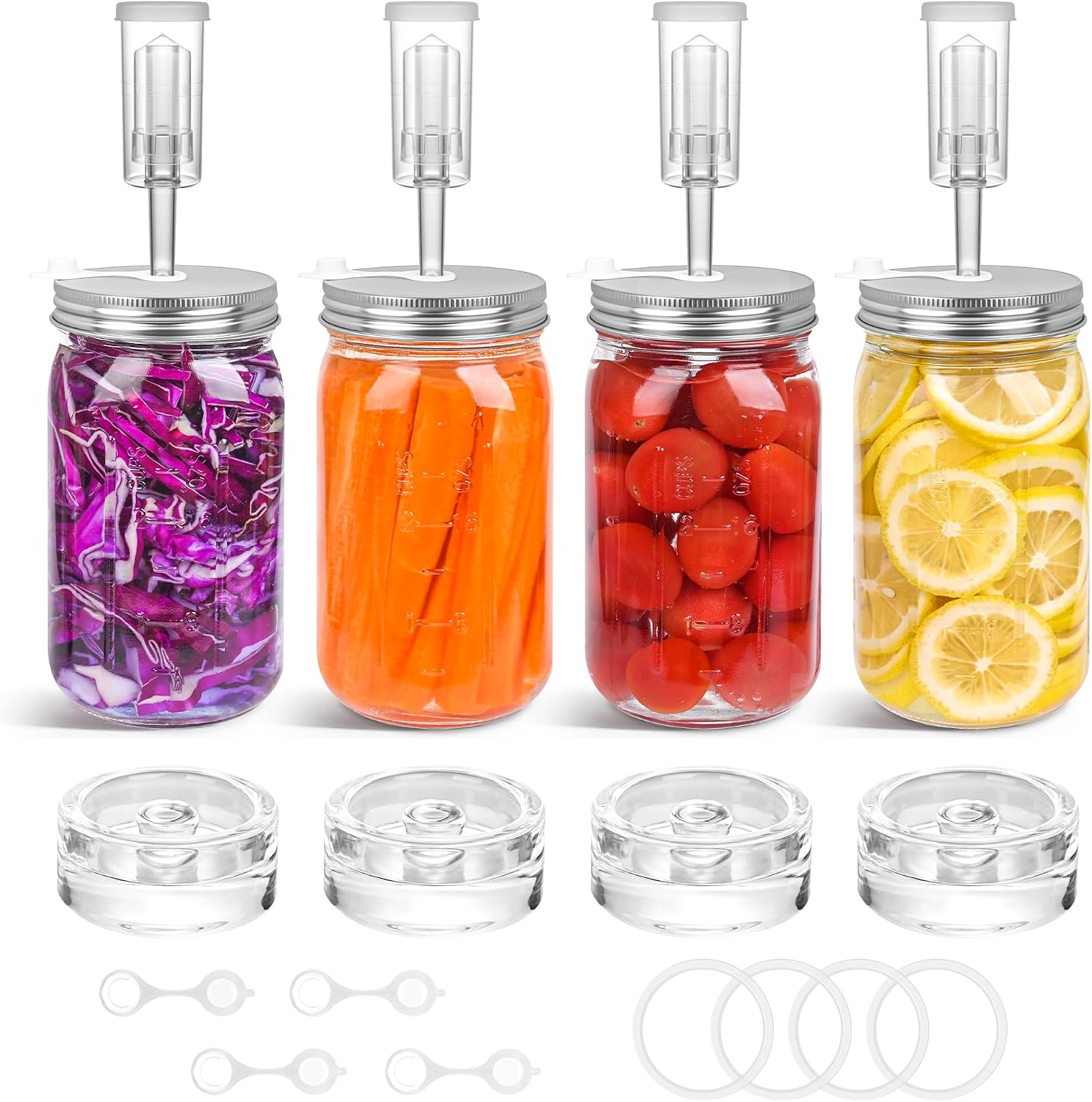
32 oz Mason Jar Fermentation Kit 4 Pack(Jar Included),Sauerkraut/Pickling Kit with 4 Pack Fermenting Jars, Glass Fermentation Weights,Fermentation Lids,Airlocks,Silicone Gaskets and Silicone Grommets
Four 32 oz jars with matched weights, airlock lids, silicone gaskets, and grommets, so a first batch of sauerkraut or pickles needs nothing added.
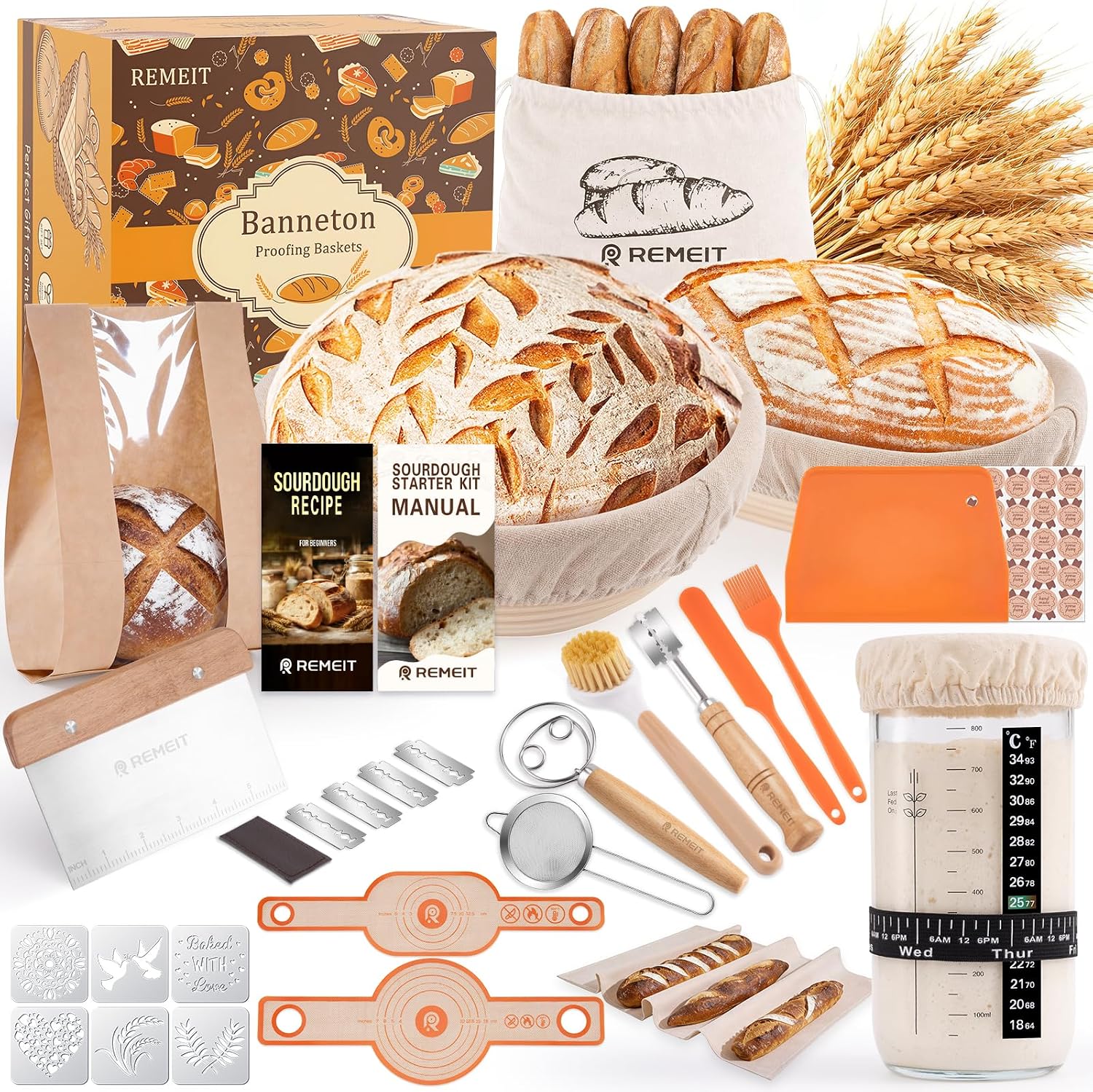
Sourdough Starter Kit with Banneton Bread Proofing Basket Set, 9" Round & 10" Oval Proofing Basket, Sourdough Bread Baking Supplies with Starter Jar, Bread Lame, Dough Whisk and Baking Tools
A 9 inch round and a 10 inch oval proofing basket plus a starter jar, bread lame, dough whisk, and baking tools for the bread side of the hobby.
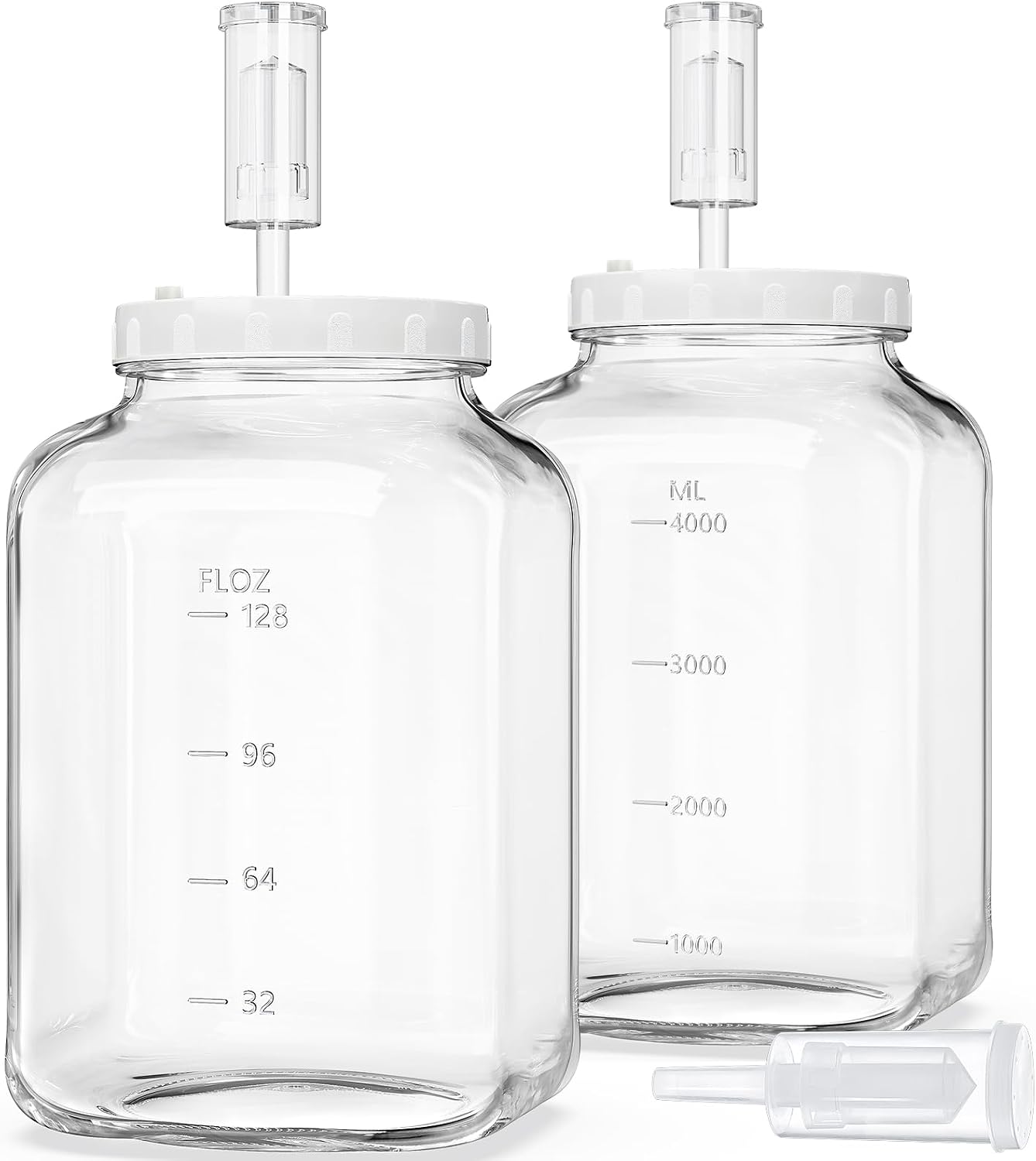
1.5 Gallon Large Fermentation Jars, Wide Mouth Glass Mason Jar
A wide mouth 1.5 gallon jar for whole cabbage heads and long ferments, with enough opening to pack by hand and pull the finished batch back out.
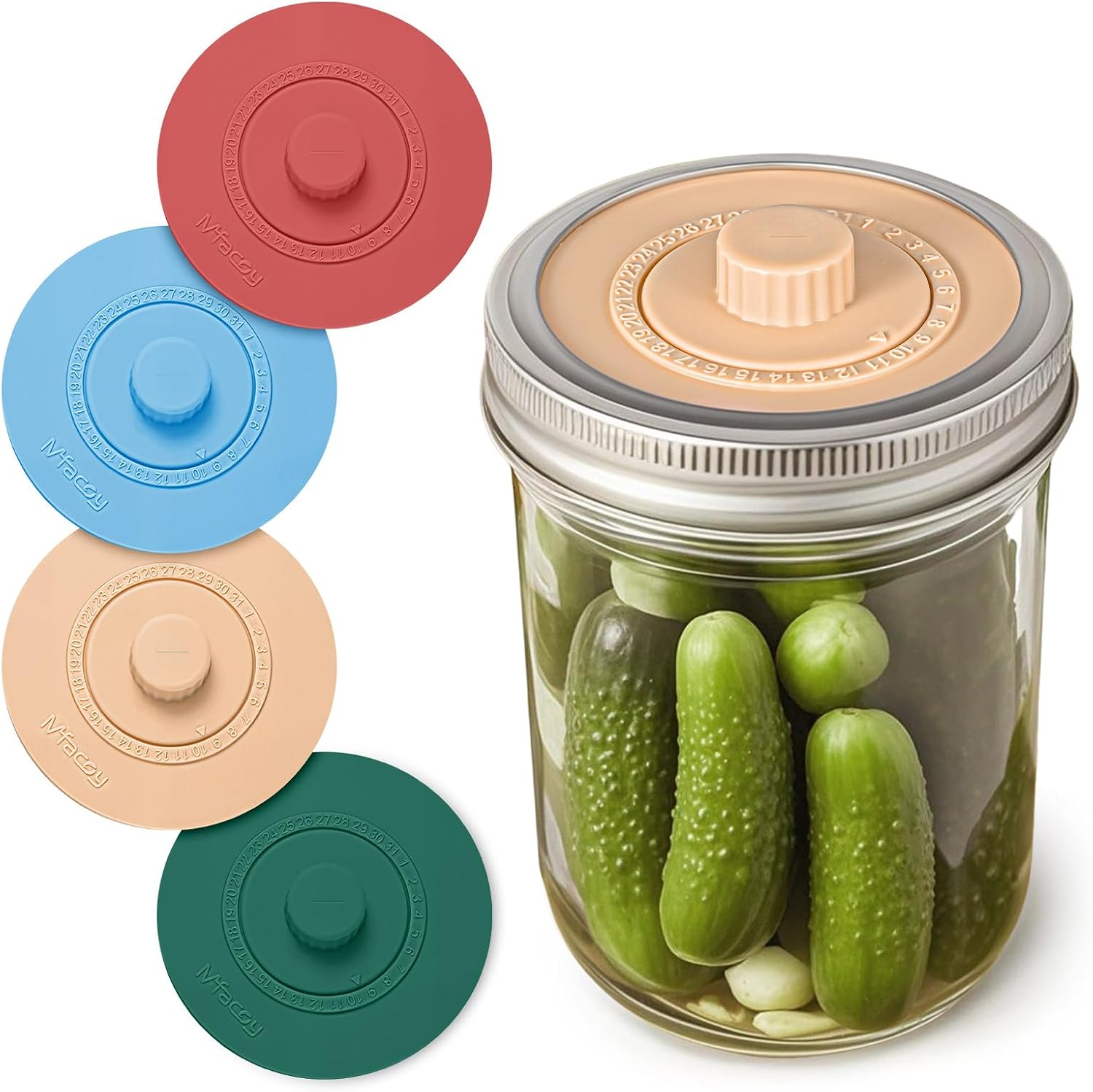
Original Patented Airlock Fermentation Lids for Wide Mouth Mason Jars, Fermenter Caps, Fermentation Kit for Sauerkraut & Pickle Kit, One Way Waterless Airlock Valve – BPA-Free (Jar Not Included)
Waterless one way airlock lids that screw onto wide mouth mason jars you already own. Jars are not included, so check your jar thread first.
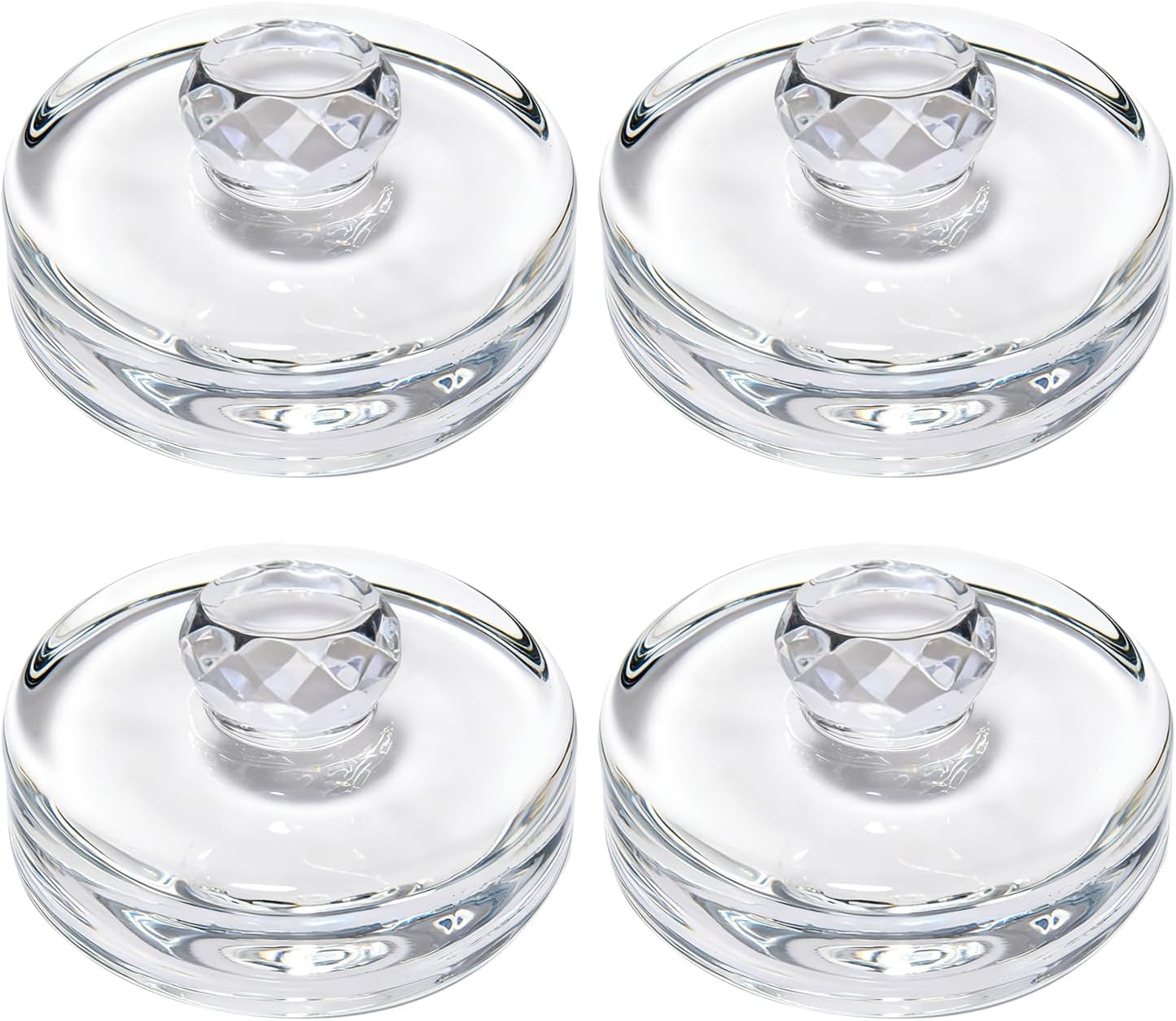
4 Pack Fermentation Weight with Easy Grip Handle,Glass Fermenting Weights for Wide Mouth Mason Jars,Glass Fermentation Kit for Sauerkraut,Pickles
Four glass weights sized for wide mouth jars, with easy grip handles that give you something to hold when the brine is deep.
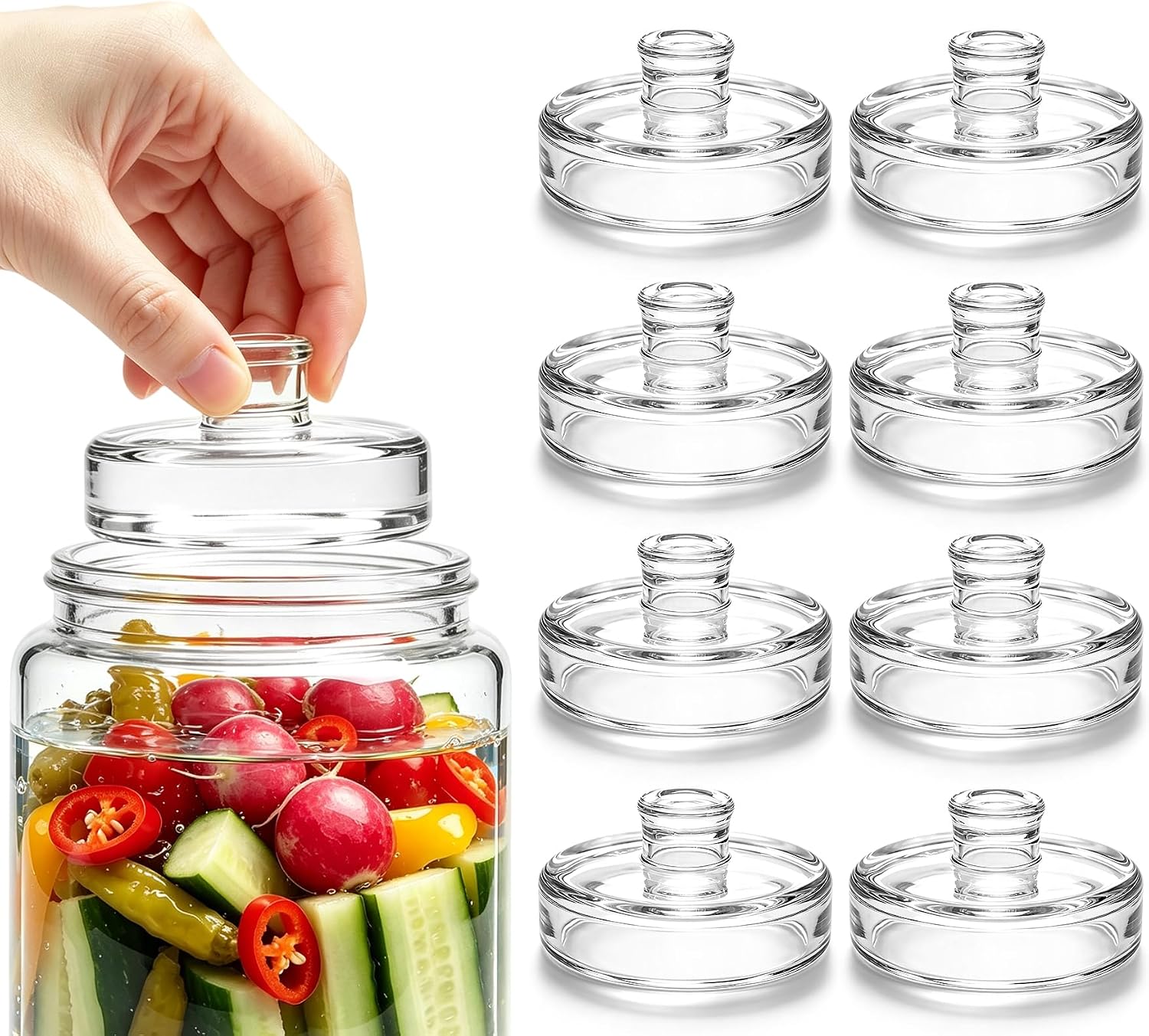
9 Pack Glass Fermentation Weights, Easy Grip Handle Glass Weights
Nine glass weights with easy grip handles for anyone running several jars at once and tired of moving one weight between them.
How these products were compared
This guide compares jar volume and mouth diameter, lid and airlock design, weight material and handle shape, glass thickness and how the jar is marked, and how many separate parts end up in the sink after a batch. Think of it as a fermentation & more buying guide built from listing details rather than lab results: product names, images, and retailer links are matched by ASIN so that every card points to the product shown, and nothing here is presented as hands-on testing that did not happen.
Reading fermentation & more reviews is useful for one thing in particular, which is failure patterns. Buyers tend to report the same problems in the same order: a gasket that stops sealing, a weight that is slightly too small for the jar mouth, a handle that lets go. Treat repeated complaints as a design note rather than proof, and use the retailer link to confirm the current price, what is in the box, and the return terms.
How to choose the right fermentation kit
Start with what you already own. If there are wide mouth mason jars in the cupboard, the cheapest route into vegetable fermentation is a set of airlock lids plus weights that fit the jar mouth, and that combination is usually the best budget fermentation & more answer for a first season. If you own nothing, a kit with jars included removes the sizing guesswork, because the weights and lids are already matched to the glass.
The short version of how to choose fermentation & more gear is to buy for the batch size you will actually make. A 32 oz jar holds roughly a small head of cabbage once it is packed down, which suits a beginner testing two or three salt levels side by side. A 1.5 gallon jar is for whole heads, long ferments, and households that go through kraut quickly. It is also heavy when full and it occupies counter space for weeks, which is a real cost in a small kitchen.
Then look at the details that are easy to skip. Fermentation & more jar markings matter more than they sound, because painted measurement lines wear off in the first month while markings moulded into the glass survive years of washing. A fermentation & more warm spot, usually the top of the fridge or a cupboard above an appliance, holds a vegetable ferment somewhere in the 65 to 75°F band where it moves predictably instead of stalling. Salt by weight, not by eye, and keep the vegetables under the brine every single day.
If sourdough is the actual goal, the vocabulary shifts. Bulk fermentation is the stretch after mixing when the dough doubles, and the clock depends on room temperature rather than the recipe. The fermentation & more starter feeding ratio is the number you change when a starter is sluggish in a cold kitchen. Read how to keep a starter alive through a cold kitchen before buying more jars, because most starter problems are temperature and schedule problems, not equipment problems.
32 oz Mason Jar Fermentation Kit 4 Pack (Jar Included)
The top pick is a four jar system: four 32 oz fermenting jars, four glass weights, four lids with airlocks, plus silicone gaskets and grommets. The value is not any single part, it is that the parts were designed against the same jar. A weight a millimetre too narrow slides sideways and lets solids float. A gasket that does not match the lid seats badly and the airlock stops behaving like a one way valve. Buying the set means you inherit somebody else's sizing decision, and sizing is the thing that usually goes wrong for beginners.
The four jars also give you a comparison you cannot get from one. Pack the same cabbage at the same salt percentage into two jars, keep one in the warm spot and one in a cooler corner, then taste both at day five and day ten. That is a faster education than any article, including this one.
The trade off is scale. Four 32 oz jars is roughly a quart each, which is right for learning and wrong for a family that eats kraut every week. There is also the usual caveat with any multi part kit: gaskets are the first thing to wear, so note the size before you need replacements. Check the listing for what the current box includes, since bundle contents are the detail sellers change most often.
Alternatives to consider
The Sourdough Starter Kit with Banneton Bread Proofing Basket Set is better suited to the beginner who came for bread: a 9 inch round and a 10 inch oval proofing basket, a starter jar, a bread lame, and a dough whisk in one box. It covers the proofing and scoring side rather than the vegetable side, and a banneton without a liner is still a banneton, so plan on flouring properly.
The 1.5 Gallon Large Fermentation Jars, Wide Mouth Glass Mason Jar is a stronger fit when volume is the constraint: whole cabbage heads, long ferments, or a household that finishes a quart in a week. The wide mouth makes packing and retrieving easier, but a full jar wants a shelf, not a crowded counter.
The Original Patented Airlock Fermentation Lids for Wide Mouth Mason Jars and the 4 Pack Fermentation Weight with Easy Grip Handle cover the two upgrades that turn jars you already own into a fermenting setup, lids first and weights second. The 9 Pack Glass Fermentation Weights covers the other direction, for anyone running several jars at once and tired of moving one weight from jar to jar between batches.
Day-to-day use and maintenance
Glass is the easy part. Warm water, a soft brush, and no thermal shock: do not run a cold jar under hot water straight from the fridge, because that is how shoulders crack. Airlock lids and grommets need more care, since a gasket stretched during cleaning will not seat again, and a waterless valve with dried brine in it stops behaving like a one way valve. Rinse the lid parts when the batch is done rather than the next morning.
Weights should be dried fully before they go back in a cupboard, and stored where they will not chip against each other. Chipped glass is not a cleaning problem, it is a replacement problem, and a chipped weight is not something to put back in a ferment.
For sourdough the routine is different: the starter jar gets fed on a schedule, and the proofing basket needs to dry completely after each use, with flour brushed out rather than washed. A damp banneton is a mould farm with a nice shape.
Whatever a product page promises, the top rated fermentation & more listings are the ones where buyers repeat the same boring sentence, that the lid still seals and the weight still fits. That repetition is worth more than any badge on the image.
Buying checklist
- Measure the jar mouth diameter before ordering lids or weights, and match them to the jars you actually own.
- Choose jar volume based on normal use rather than an occasional big batch, since a full 1.5 gallon jar is heavy.
- Confirm that the exact model includes the gaskets, grommets, and airlock parts you are expecting, and whether jars are included.
- Read the cleaning and maintenance instructions, especially for silicone parts and any lid with a valve.
- Verify the current retailer price, availability, and return terms before you commit.
Final recommendation
Choose the 32 oz Mason Jar Fermentation Kit 4 Pack (Jar Included) when you want a first ferment to be about salt, cabbage, and time rather than about matching parts. It is the shortest path from box to brine, and four jars let you run a side by side comparison in week one.
Choose the Sourdough Starter Kit with Banneton Bread Proofing Basket Set when the beginner's real goal is a loaf, and choose the 1.5 Gallon Large Fermentation Jars, Wide Mouth Glass Mason Jar when batch size is the whole point. If jars are already on the shelf, buy the airlock lids first and the weights second.
The honest version of fermentation & more for beginners is that one good jar, one weight that fits it, and one lid that seals will take you further than a shelf of specialty equipment. Buy the smallest set that matches your real batch size, keep notes on salt and temperature, and check the current Amazon price before you commit.